




Web Funnel vs. Marketing Funnel: Key Differences and When to Use Each (2026 Guide)
Executive Summary
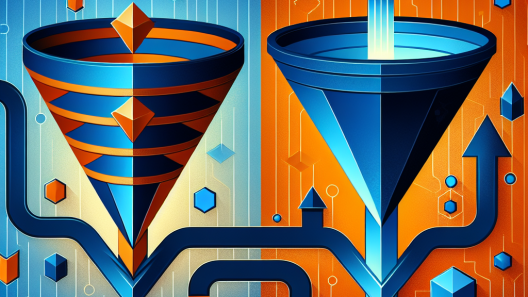
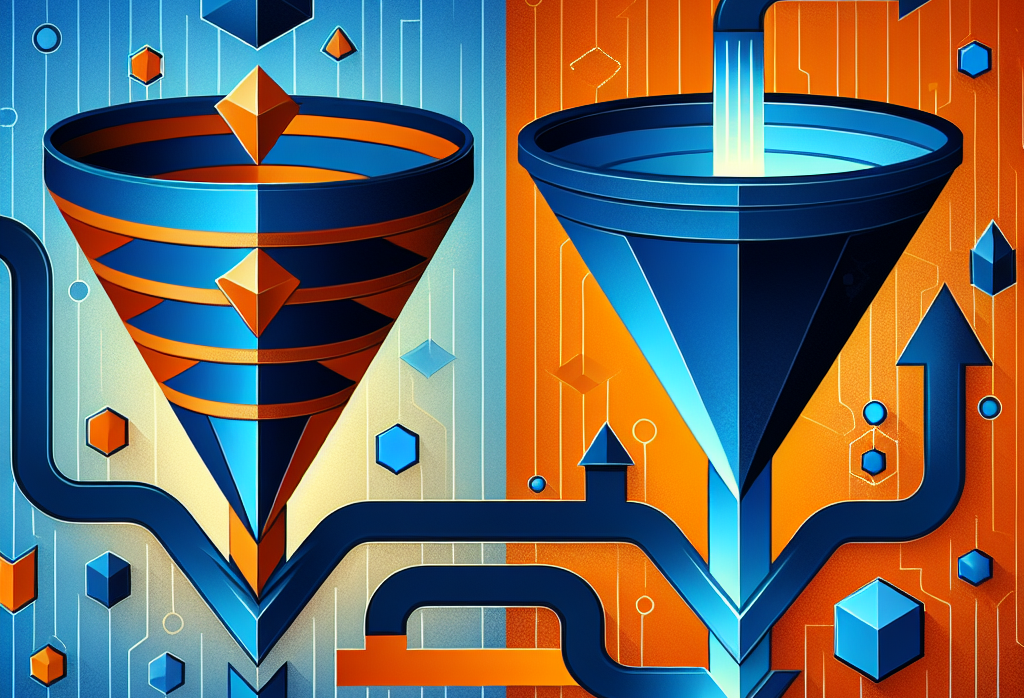
Understanding the distinction between web funnels and marketing funnels is crucial for digital success in 2026. While both aim to guide prospects toward conversion, their approaches, structures, and applications differ significantly.
Core Definitions
Web Funnel
A **web funnel** is a digital-specific conversion pathway that exists entirely within online ecosystems. It’s designed to guide website visitors through a series of optimized pages toward a specific conversion goal.
Marketing Funnel
A **marketing funnel** represents a broader conversion pathway that may include both digital and traditional marketing channels, creating omnichannel customer experiences.
Comparative Analysis Table
| **Aspect** | **Web Funnel** | **Marketing Funnel** | **2026 Recommendation** |
| **Scope** | Digital-only | Omnichannel | Hybrid approach |
|---|---|---|---|
| **Technology** | Web-specific tools (ClickFunnels, etc.) | Mixed technology stack | Integrated platforms |
| **Measurement** | Digital analytics | Multi-channel attribution | Unified analytics |
| **Implementation Speed** | Rapid (days) | Slower (weeks/months) | Agile implementation |
| **Initial Cost** | $97-$299/month | $500-$5000+/month | Scalable investment |
| **Best For** | Digital products, e-commerce | Enterprise, services | Most businesses |
When to Use Each Approach
Choose Web Funnels When:
– You sell digital products or services
– Your audience is primarily online
– You need rapid deployment
– You have limited budget
– You want to test concepts quickly
Choose Marketing Funnels When:
– You have physical products
– Your sales process involves multiple touchpoints
– You need brand consistency across channels
– You have enterprise-level resources
– You’re targeting diverse demographic groups
Implementation Framework for 2026
Phase 1: Assessment
1. **Business Analysis**: Goals, products, services
2. **Audience Research**: Digital behavior, preferences
3. **Resource Evaluation**: Budget, team, technology
Phase 2: Strategy Selection
| **Business Type** | **Recommended Approach** | **Primary Tools** |
| E-commerce Startup | Web Funnel | Shopify + ClickFunnels |
|---|---|---|
| SaaS Company | Web Funnel | Landing pages + CRM |
| Local Service Business | Marketing Funnel | Local SEO + Email |
| Enterprise B2B | Marketing Funnel | Marketing automation |
Phase 3: Technology Stack
**Web Funnel Stack:**
– Funnel Builder: ClickFunnels/Kartra
– Email: ConvertKit/ActiveCampaign
– Analytics: Google Analytics 4
– Payments: Stripe/PayPal
**Marketing Funnel Stack:**
– CRM: HubSpot/Salesforce
– Marketing Automation: Marketo/Pardot
– Analytics: Adobe Analytics
– Integration: Zapier/Make
Performance Metrics Comparison
| **Metric** | **Web Funnel Target** | **Marketing Funnel Target** |
| Conversion Rate | 3-10% | 2-5% |
|---|---|---|
| Cost per Acquisition | $20-$100 | $50-$500 |
| Customer Lifetime Value | $200-$2000 | $1000-$10000 |
| ROI Timeline | 1-3 months | 3-12 months |
| Scalability | High | Moderate |
2026 Trends Impacting Both Approaches
Technology Trends:
1. **AI Integration**: Machine learning personalization
2. **Voice Search Optimization**: Voice-activated funnels
3. **AR/VR Experiences**: Immersive product demonstrations
4. **Blockchain Verification**: Enhanced trust and security
Consumer Behavior Trends:
1. **Mobile-First**: 70%+ traffic from mobile devices
2. **Video Preference**: Video content driving engagement
3. **Personalization Expectation**: Customized experiences
4. **Privacy Consciousness**: Data protection requirements
Hybrid Approach for 2026
The most successful organizations in 2026 will implement **hybrid funnel strategies** that leverage the strengths of both approaches:
Recommended Hybrid Framework:
1. **Digital Foundation**: Web funnel for online conversion
2. **Omnichannel Expansion**: Marketing funnel for broader reach
3. **Data Integration**: Unified customer profiles
4. **Personalized Journeys**: AI-driven path optimization
Implementation Checklist
For Web Funnels:
– [ ] Define clear conversion goals
– [ ] Map customer journey stages
– [ ] Create optimized landing pages
– [ ] Implement tracking and analytics
– [ ] Set up email automation
– [ ] Test and optimize continuously
For Marketing Funnels:
– [ ] Identify all customer touchpoints
– [ ] Create channel-specific content
– [ ] Implement marketing automation
– [ ] Establish measurement framework
– [ ] Train sales/marketing teams
– [ ] Monitor cross-channel performance
Common Pitfalls to Avoid
Web Funnel Pitfalls:
1. **Over-optimization**: Focusing on minor improvements
2. **Ignoring mobile**: Not optimizing for mobile devices
3. **Poor tracking**: Inadequate analytics implementation
4. **Content mismatch**: Message doesn’t match audience intent
Marketing Funnel Pitfalls:
1. **Channel silos**: Treating channels independently
2. **Data fragmentation**: Disconnected customer data
3. **Slow adaptation**: Resistance to digital transformation
4. **ROI ambiguity**: Difficulty measuring impact
Conclusion and Next Steps
The choice between web funnels and marketing funnels depends on your specific business context, resources, and goals. In 2026, the most effective approach is often a **strategic blend** that starts with a solid web funnel foundation and expands into broader marketing funnel capabilities as needed.
Immediate Action Steps:
1. **Conduct a funnel audit** of your current systems
2. **Identify primary conversion goals** for the next quarter
3. **Select one approach** to implement or optimize
4. **Establish measurement baselines** for key metrics
5. **Schedule regular optimization sessions**
Remember: The best funnel is the one that effectively guides your specific audience to your specific offer while providing measurable value at every stage. Start simple, measure rigorously, and scale strategically.
—
*Need help implementing your funnel strategy? [Contact us] for a personalized consultation and implementation plan tailored to your 2026 business goals.*